
Why You’re Not Running Faster (And It’s Not What You Think)
Most runners assume getting faster means working harder. More miles, more effort, more pushing through the pain. But after coaching hundreds of runners in Austin, I can tell you that’s exactly backwards — and it’s the reason so many runners stay stuck at the same pace year after year while collecting injuries along the way.
The truth is, speed isn’t about effort. It’s about efficiency.
You’re Using Your Muscles When You Should Be Using Gravity
Running is one of the most repetitive movements the human body performs. You take thousands of steps every single mile. That means even a tiny improvement in efficiency — one small adjustment in how you move — compounds into massive gains in performance over the course of a run.
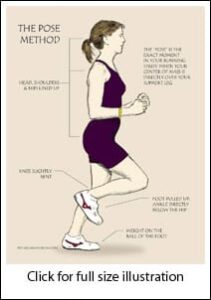
The fastest runners in the world aren’t muscling their way to the finish line. They’ve learned to let gravity do the work. When you fight gravity with every stride, you’re burning energy you could be using to go faster and farther. When you learn to fall forward and catch yourself — which is the foundation of the POSE method I teach — running stops feeling like a grind and starts feeling almost effortless.
You’re Overstriding — And Someone Probably Told You To
Here’s one that surprises almost every runner I work with. We’ve all heard it — “you have long legs, use them.” Old school coaches told generations of runners to stretch out, reach forward, take the longest stride possible.
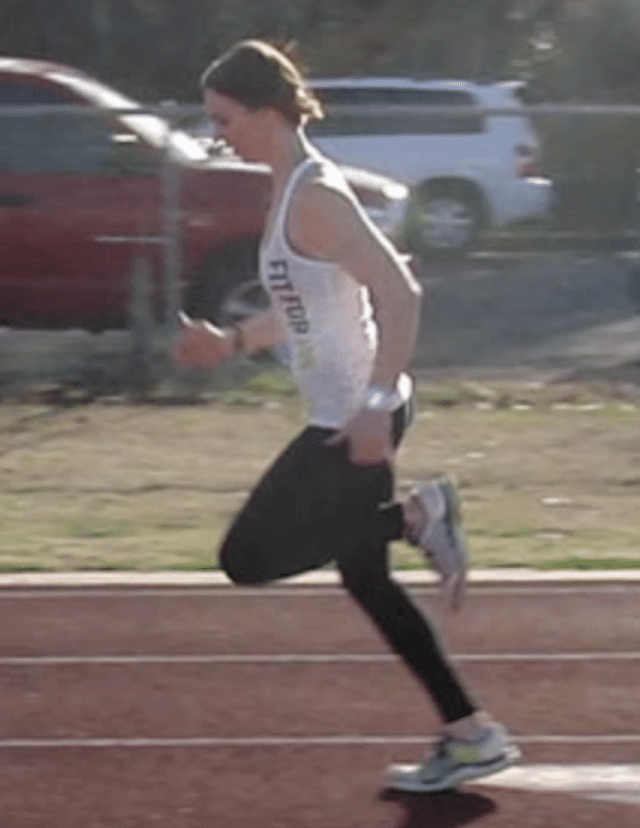
But watch any elite runner and you’ll see something completely different. They’re not reaching their foot way out in front of their body. They’re pulling their foot up high under their center of gravity and letting it land beneath them — not ahead of them.
Overstriding is like putting on the brakes with every single step. Your foot hits the ground in front of your body and creates a braking force that kills your momentum. Every stride becomes a mini collision instead of a fluid forward motion.
Your Cadence Is Probably Too Slow
Elite runners typically run at around 180 steps per minute. The average recreational runner? Around 140 to 150.
I recently worked with a runner who had been running at that slower cadence for years. When I introduced him to a higher cadence his immediate reaction was — this feels completely wrong. And he’s right that the transition is uncomfortable. Your body has been moving one way for a long time and changing that pattern takes time and patience.
Which brings me to the most important point of all.
 The Real Reason Runners Get Hurt Trying To Get Faster
We live in a world of instant gratification. People want a magic wand. They want to make one change on Monday and run a PR on Saturday.
So when a runner learns about cadence or form for the first time, they go all in immediately. They crank their cadence from 145 to 180 overnight. They completely overhaul their stride in a single run. And then their body — which has been doing things one way for years — starts sending signals. A little tightness here. Some soreness there. A twinge that wasn’t there before.
And because they were raised on “no pain no gain” they push right through it.
The next thing you know they’re injured, unable to run, sitting in a physical therapist’s office. And after weeks of recovery they come back — and do the exact same thing again.
Your body is always talking to you. Pain is not weakness. Pain is information. Learning to hear the difference between productive discomfort and a warning signal is one of the most valuable skills a runner can develop — and it’s something I work on with every single person I coach.
Cross Training Is the Secret Weapon Nobody Talks About
One more thing most runners overlook. Running is a single-plane, highly repetitive movement. It uses the same muscles in the same pattern over and over. When those muscles fatigue, your form breaks down — and that’s when injuries happen and performance drops.
Cross training fixes this. Biking, swimming, weightlifting, yoga — any activity that strengthens your core, builds your stabilizers and gives your running muscles a break will translate directly into faster, safer running. A stronger core means better posture. Better posture means better form. Better form means more speed with less effort.
The Bottom Line
Getting faster is not about running harder. It’s about:
- Learning to use gravity instead of fighting it
- Fixing your foot strike so you stop braking with every step
- Gradually increasing your cadence with patience and self-awareness
- Cross training to build the strength that supports good form
- Listening to your body before small warning signs become big injuries
These are exactly the things we work on in my Level 1 Running Clinic in Austin. In a single session most runners feel a difference immediately — not because I gave them a magic wand, but because small efficient changes make a big impact fast.
Ready to run faster without getting hurt? Sign up for a clinic here.Why You’re Not Running Faster | Free To Run Austin